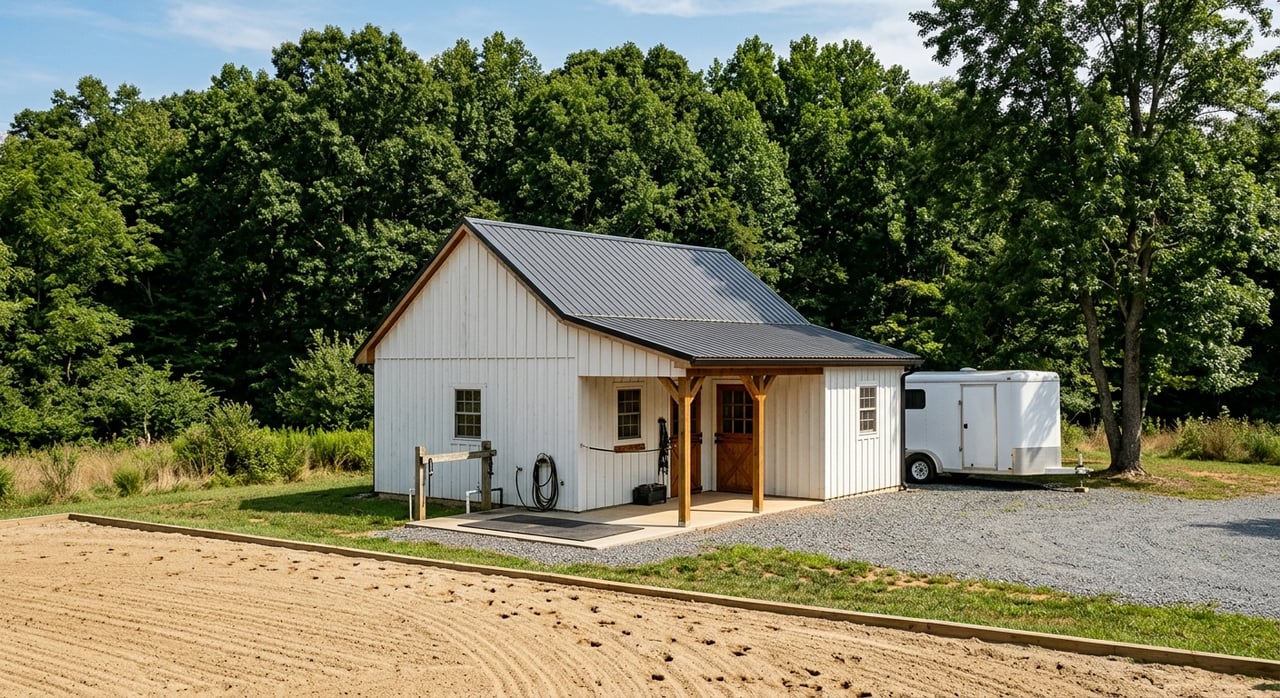
A Day In The Life On A Hoke County Horse Property
July 9, 2026
July 9, 2026
Ever wonder what daily life on a horse property in Hoke County actually feels like? It is easy to picture the quiet mornings and open land, but the real rhythm is shaped by chores, weather, pasture management, and the practical details that make a property work well. If you are dreaming about buying acreage or simply want a clearer picture of equestrian living here, this guide will walk you through what a typical day looks like and what matters most. Let’s dive in.
Hoke County has a strong rural and agricultural identity, and that affects how horse properties function day to day. The county’s planning framework supports preserving rural agricultural character and low-density areas outside town limits, which helps explain why many properties here feel like working landscapes instead of standard residential lots.
That setting comes with real advantages for horse owners, but it also comes with responsibilities. When you live on equestrian acreage, the land itself becomes part of your daily routine, from pasture rotation to drainage to access for trailers and equipment.
Hoke County sits in North Carolina’s Sandhills heat region, where warm-season conditions can make early starts the smart choice. The area is also known for sandy to sandy-loam soils, which can influence footing, drainage, and how pastures hold up through changing weather.
In practical terms, that often means your day starts before the heat builds. It also means you pay close attention to shade, water, and the condition of turnout areas, especially in summer.
On a Hoke County horse property, morning is usually the busiest part of the day. Before temperatures climb, you are likely focused on the basics that keep horses comfortable and the property running smoothly.
A realistic morning routine often includes:
This kind of early routine makes sense in the Sandhills. Heat can become a factor quickly, so many owners try to handle the heavier outdoor work while conditions are still more manageable.
By midday, the pace often changes. Instead of larger tasks, many horse-property owners shift to shorter check-ins that can be done quickly and safely.
That might mean checking water again, walking through a shaded turnout area, or making sure horses are handling the heat well. In Hoke County, this split-shift rhythm is practical because warm conditions can turn even simple outdoor work into a bigger effort later in the day.
Midday is also when the property’s design starts to matter. Good shade, functional water access, and sensible turnout layouts can make the day easier for both you and your horses.
As temperatures ease, evening usually brings the second major round of chores. This is the time to reset the barn and property before dark.
Evening tasks often include:
This second walk-through is one of the less glamorous parts of horse ownership, but it is also one of the most important. Small issues are easier to catch when you are consistently walking the property at the start and end of each day.
The quiet beauty of a horse farm often hides the biggest truth about equestrian living: a lot of the work happens behind the scenes. In Hoke County, pasture management is not just a seasonal project. It is part of everyday decision-making.
North Carolina sits in a transition zone, so no single forage works perfectly year-round. A practical approach often involves a mix of warm- and cool-season forages, plus stockpiling and hay when pasture growth slows.
For the Sandhills, NC State notes traditional perennial forages such as bermudagrass, bahiagrass, and dallisgrass. Even with those options, pasture success still depends on grazing intensity, stocking rate, and giving fields enough rest.
Drylots or sacrifice areas can play a big role on horse properties here. They help preserve pasture by reducing or eliminating grazing during droughts or periods of heavy rainfall.
That matters whether you own a large farm or a smaller acreage. If your land is limited, a well-managed drylot can help you protect the ground instead of overusing pasture when conditions are not ideal.
A common planning benchmark is about 2 acres per mature horse, especially if you hope to support year-round grazing. That said, smaller properties can still work if they are managed carefully.
Usually, tighter acreage means more hay, more intentional pasture rest, and greater reliance on drylots or sacrifice areas. This is one reason horse-property buyers should look beyond the home itself and evaluate how the land functions every day.
Life on a horse property includes ongoing cleanup, and manure management is part of the routine. It is not an occasional weekend task. It is one of the steady jobs that affects how the whole property operates.
NC State notes that composting and vermicomposting can be viable options for horse manure management. In Hoke County, this also matters from a practical property-use standpoint because animal-related odor or unsanitary conditions can create nuisance or health-hazard concerns.
In other words, a clean, organized setup is not just easier to live with. It also supports better long-term property function.
Warm-weather property care in Hoke County can include more than grass and heat. Pests can become part of your daily awareness too.
For example, NC State notes that fire ants in established pastures can injure livestock and people and may also damage equipment. That is the kind of issue you may not think about when first shopping for horse property, but it becomes very real once you are walking fields, maintaining fences, and managing turnout.
If you ride, compete, or travel for events, trailer access matters more than many buyers expect. A beautiful property can still feel frustrating if it is difficult to enter, exit, turn around, or park a trailer safely.
That is especially relevant in this area because Carolina Horse Park in Raeford hosts a wide schedule of equestrian events, including hunter/jumper, eventing, dressage, driving, mounted games, and more. A property that supports easy hauling can make your routine much smoother.
When you tour horse properties, it helps to think through questions like:
If you are considering a horse property in Hoke County, it helps to think beyond square footage and curb appeal. The property has to work on an everyday level.
Some of the most important features to verify include:
Before building or changing how a property is used, Hoke County says zoning designations should be verified with Planning Staff. The county also states that no land or building may be used or changed until a zoning permit is issued, and some properties in a water-supply watershed may require a watershed protection permit.
That kind of due diligence matters because the best horse property is not always the one with the most features on paper. It is the one that supports your daily routine without constant compromise.
A horse property in Hoke County can offer the kind of lifestyle many buyers want: open space, working land, and room to build routines around horses. But the best properties are the ones that balance beauty with function.
When you understand the daily rhythm, you can shop smarter. You start to notice the details that really matter, like how water is set up, whether the footing makes sense for the site, and how the property might perform through heat, rain, and changing pasture conditions.
If you are looking for a horse property that fits both your goals and the reality of day-to-day use, working with someone who understands acreage, equestrian needs, and local property considerations can make the process far more confident. If you are ready to explore the Hoke County horse-property market, connect with Brittany Paschal for knowledgeable, hands-on guidance.
Stay up to date on the latest real estate trends.


I strive for lasting relationships with my previous customers even after the sale! I want to be your go-to agent for you and your friends and family for years to come.
BRITTANY PASCHAL
ADDRESS 250 N BENNETT ST SOUTHERN PINES NC 28387