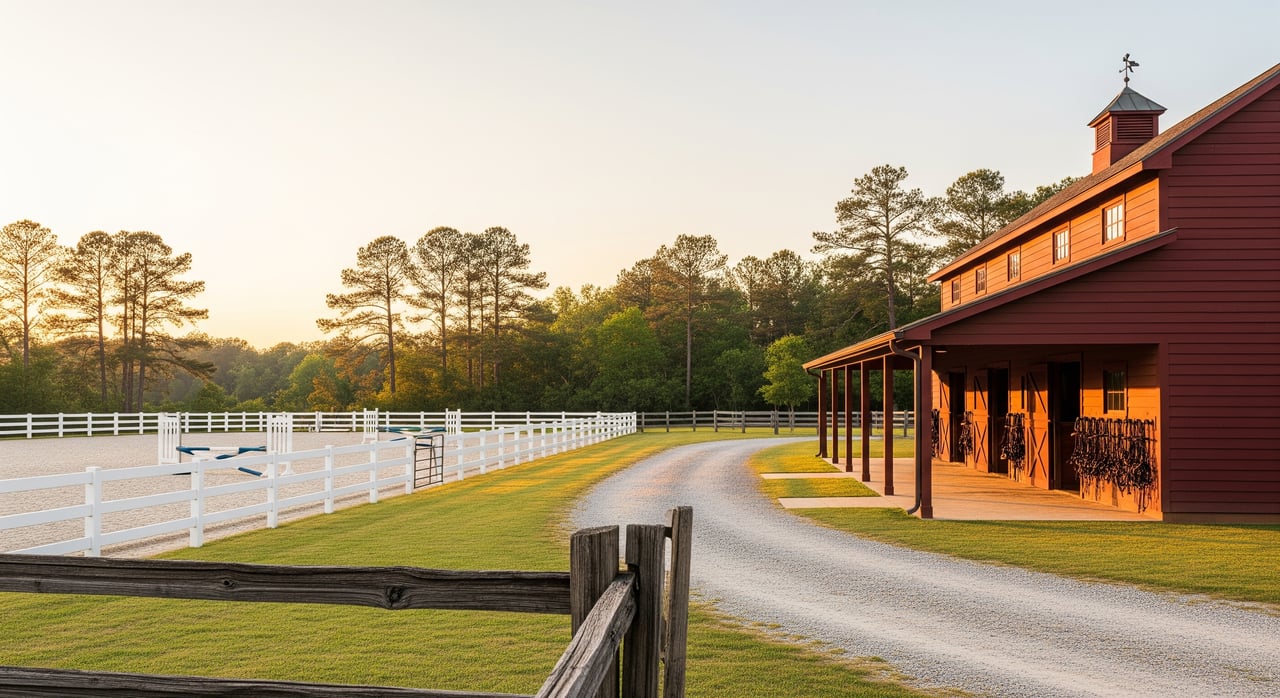
Red barn beside a curving gravel drive, white fencing, and sunlit pine trees.

Selling a Horse Property in Hoke County: Your Game Plan

January 1, 2026

Thinking about selling your Hoke County horse property but not sure where to start? You are not alone. Equestrian listings require a different approach than a standard home, from pricing usable pasture to documenting barn features and water lines. In this guide, you will learn what matters most to buyers, how to prepare for inspections and financing, and the practical steps that keep your sale moving. Let’s dive in.

Know your Hoke County buyer pool

Hoke County is largely rural with Raeford as the county seat and easy access to Fayetteville and Fort Liberty. That mix attracts several buyer types. You will see local hobby owners and small trainers, commuters who want acreage and privacy, and buyers relocating from other parts of North Carolina. Each group values different features, so your marketing should highlight what your property does best.

Proximity to veterinarians, feed stores, farriers, and arenas can improve marketability. Properties farther from services often appeal to buyers prioritizing privacy and larger acreage. Seasonality matters too. Spring and summer typically bring more equestrian activity and show-ready pasture growth, which can help your days on market.

Price it right for equestrian buyers

Pricing a horse property starts with what equestrians value on the ground. Focus your price on the parts of the land and improvements that actually support horses.

Top value drivers to document and price correctly:

  • Usable pasture acreage versus wooded or wet areas
  • Fencing quality and type, gate placement, and cross-fencing
  • Barn and stable condition, stall count and size, roof and drainage
  • Arena or round pen size and footing quality
  • Water access and distribution to paddocks, hydrants, and reliability of the source
  • Manure storage and handling setup
  • Driveway and equipment access for hay and trailers
  • Ancillary structures like run-in sheds and hay or machinery storage
  • Pasture health and shade or windbreaks
  • Zoning allowances, potential for subdividing, and permitted uses

When selecting comparable sales, use MLS filters such as “horse,” “equestrian,” “barn,” and “pasture.” Adjust for details that do not show on a standard sheet, like arena footing, fence condition, turnout layout, and proximity to services. If you are navigating complex acreage or older barns, consider an appraisal by someone experienced with agricultural and equestrian properties. Support your price with maintenance records, receipts for upgrades, soil tests, well and septic documents, and any pasture management plans.

Confirm zoning, permits, and taxes before listing

Do not let a missing permit or unclear zoning derail your contract. Confirm the property’s current zoning and permitted uses with Hoke County Planning and Inspections. Setbacks, allowable structures, and non-residential uses should be clear to you and your buyer.

Septic systems and wells deserve special attention. The county health department manages septic permits, repairs, and testing. Buyers often ask for septic and well inspections, so gather permits, well logs, and water test results ahead of time. Reliable documentation builds trust.

If your land is enrolled in an agricultural or present-use valuation program, confirm how a sale may affect property taxes and whether any rollback taxes could apply. Identify all conservation easements, USDA program enrollments, timber agreements, and deed restrictions. Disclose recorded easements, shared drives or wells, and rights-of-way. Check flood maps and be upfront about wetlands or drainage limitations that reduce usable acreage.

Prep the property for market

Small improvements can create big confidence for buyers. Focus on safety, function, and clarity.

High-impact tune-ups:

  • Repair or replace broken fence boards, tighten wire, and check all gates
  • Fix roof leaks and unsafe stall hardware, and refresh non-slip flooring in high-traffic areas
  • Test hydrants and troughs, mark water lines if possible, and label shutoff valves
  • Clean up manure storage, address muddy gateways, and improve drainage where feasible
  • Mow fence lines and remove debris to show healthy pasture edges
  • Grade or refresh gravel on access drives and mark trailer parking for showings

Presentation tools that sell acreage:

  • Professional exterior photos and drone images to show layout and scale
  • A clear site map showing barns, paddocks, arenas, water sources, and access points
  • A short video walk-through that shows stall sizes, aisle width, and arena footing
  • A one-page horse fact sheet buyers can reference at showings

Create your horse fact sheet

A concise, accurate fact sheet helps buyers evaluate your property quickly and reduces unnecessary questions. Use this template and attach it to your listing and showing packet.

Horse fact sheet template:

  • Total acres and estimated usable pasture acres
  • Fencing types and condition by paddock, plus cross-fencing
  • Barn details: stall count and sizes, aisle width, tack and feed rooms, hay storage capacity
  • Arena or round pen: dimensions, footing material, base, drainage notes
  • Water: source, pump details, hydrant locations, frost-free lines, trough setup
  • Manure management: storage type and removal schedule
  • Access: driveway composition, trailer turnarounds, delivery access for hay and shavings
  • Ancillary structures: run-in sheds, storage barns, machinery sheds
  • Utilities: electric service to barn, lighting, outlets, and wash stall setup
  • Recent upgrades: fencing, roofing, footing, drainage, or well components
  • Nearby resources: general proximity to vet, farrier, feed, and arenas

Marketing that reaches the right buyers

The right exposure matters in a niche market. Combine clear MLS language with targeted outreach.

  • Use specific keywords like horse property, equestrian, stalls, arena, and pasture in your listing
  • Feature aerial photos and a labeled property map so buyers understand the layout
  • Share to regional equestrian groups and local barn networks, tack shops, and feed stores
  • Consider specialist equine listing channels alongside mainstream exposure
  • Schedule open houses when paddocks show well and footing is dry

When writing the listing, front-load the essentials. Lead with usable pasture acreage, fencing types, stall count and sizes, arena dimensions and footing, water distribution, and trailer access. Highlight your proximity to services and trail opportunities without making value judgments.

Anticipate financing and appraisals

Financing for horse properties can vary. Some lenders classify the home as residential with acreage, while others treat it more like rural or agricultural. Buyers might use USDA rural loans, conventional loans, or specialized agricultural financing. Appraisers often separate land value from improvements, including barns and arenas. Prepare for that by documenting replacement costs and recent upgrades, and by providing a clean fact sheet and site map. Encourage buyers to work with lenders who have experience with rural and equestrian properties to keep timelines realistic.

Inspections, disclosures, and negotiations

Expect a broader inspection scope than a typical house sale. Buyers often request:

  • General home and outbuilding inspections
  • Septic inspection and well testing for potability and function
  • Structural and safety review of barns and run-in sheds
  • Arena footing evaluation if performance is a priority
  • Soil and drainage checks in high-traffic pasture areas

Prepare thorough disclosures. Share any known boundary concerns, flood or wetland history, manure management practices, or past disease issues among animals on site. Disclose existing leases, income arrangements, conservation programs, and easements.

Common negotiations include seller credits for fencing or septic repairs, requests for drainage improvements, and questions about included equipment. List inclusions and exclusions clearly. If a buyer wants items like feeders, panels, or tractors, spell it out in writing and price accordingly.

Sample timeline from prep to close

Use this simple timeline to keep your sale on track.

Two to eight weeks before listing:

  • Order a current survey or boundary map if you do not have one
  • Make high-priority repairs, especially fencing, barn roofing, gates, and drainage
  • Gather permits, well and septic records, maintenance receipts, and any boarding agreements
  • Pull soil tests and pasture notes if available
  • Schedule professional photography and drone imaging, and prepare a labeled site map
  • Build your horse fact sheet and showing packet
  • Meet with an agent experienced in equestrian listings to set price and marketing plan

During the listing period:

  • Provide clear showing instructions with trailer parking marked on-site n- Keep paddocks tidy, fence lines mowed, and barn aisles presentable
  • Share your fact sheet and site map with all showing agents
  • Respond quickly to requests for additional documentation

Under contract to closing, typically 30 to 60 days:

  • Coordinate septic, well, and barn inspections early in the due diligence period
  • Negotiate repairs or credits with written agreements for any remedial work
  • Work with title to resolve easements and access matters
  • Prepare for the final walkthrough and document transfer of any included equipment

Common pitfalls in Hoke County and how to avoid them

  • Narrower buyer pool. Horse properties attract a specialized audience. Price and market for the right buyer, and plan for seasonality.
  • Financing hurdles. Not all lenders or appraisers understand equine improvements. Encourage buyers to select experienced rural lenders.
  • Permitting or environmental surprises. Confirm permits for barns and improvements, and identify wetlands or flood areas before you list.
  • Tax program surprises. If enrolled in present-use or agricultural valuation, review implications and potential rollback taxes ahead of time.

Proactive documentation and a strong fact sheet reduce uncertainty, support your price, and keep negotiations focused on value rather than unknowns.

Ready to sell with confidence?

You do not have to navigate this alone. If you want a tailored plan for pricing, presentation, and targeted outreach to equestrian buyers, reach out to Brittany Paschal. With deep local ties, equestrian market expertise, and builder and designer resources for staging and improvements, you will have a hands-on partner from prep to closing.

FAQs

How should I price a Hoke County horse property differently than a standard home?

  • Focus on usable pasture, barn quality, fencing, arena footing, and water distribution, then support your price with recent equestrian comps and documentation of upgrades.

What upgrades deliver the best return before listing a horse property?

  • Repair fencing and gates, fix roof leaks, improve drainage in high-traffic areas, ensure working hydrants and troughs, and present tidy, mowed pasture edges.

Which permits and records do buyers ask for on equestrian listings?

  • Zoning and building permits for barns, septic permits and well logs, water test results, survey or boundary map, and receipts for major improvements.

How do agricultural tax programs affect my sale in Hoke County?

  • If enrolled in present-use or agricultural valuation, confirm transfer rules and any rollback tax risk well before listing and disclose the status to buyers.

What inspections should I expect during due diligence on a horse property?

  • General home and outbuilding inspections, septic and well testing, barn structural review, arena footing evaluation, and pasture drainage and soil checks.

How can I reach equestrian buyers beyond the MLS?

  • Pair clear MLS keywords and aerials with outreach to regional equestrian groups, local barn networks, tack shops, feed stores, and specialist equine marketplaces.

Work With Brittany

I strive for lasting relationships with my previous customers even after the sale! I want to be your go-to agent for you and your friends and family for years to come.