New Construction or Farmhouse in Cameron? Key Tradeoffs
March 26, 2026
March 26, 2026
Torn between a shiny new build and a classic farmhouse on acreage in Cameron? You are not alone. Each path offers real benefits, but the long-term costs, permits, utilities, and timelines can be very different. In this guide, you will get a clear, local playbook to compare both options with confidence so you can choose what fits your lifestyle and budget. Let’s dive in.
When locals say “Cameron,” they may mean two things. The incorporated Town of Cameron sits in Moore County and has its own official website. The postal area for ZIP 28326, however, stretches into Harnett County and touches Moore and Lee counties too. For your purchase, the county on the parcel controls taxes, schools, permits, septic and well approvals, and inspections. Always confirm the parcel’s county on the tax bill or GIS and review current district tax rates through Harnett County if the parcel is in that jurisdiction. You can see the county’s posted rates here: Harnett County 2025 tax rates.
Recent pricing in the broader area trends in the low to mid hundreds of thousands, with variation by month and neighborhood. Use local MLS comps for a precise view on your short list.
North Carolina’s 2024 State Building Code updates have been delayed in phases. Until the Office of State Fire Marshal sets a firm effective date, the 2018 code remains the minimum for most single-family permits. Confirm with your builder and county inspector which code applies at the time of permitting. You can review the state’s update on the delay here: NC OSFM code implementation update.
You will find three common routes in the Cameron 28326 area: production builder neighborhoods with quick-move options, speculative homes by regional builders, and custom on-your-lot builds. Timelines vary. Quick-move inventory can close in weeks, build-to-order homes often run 6 to 12 months, and custom construction can take longer due to design, permitting, and site work like driveways, grading, and utility runs.
Construction costs remain elevated compared with a few years ago. The National Association of Home Builders’ most recent benchmark shows the average construction component around $428,000 nationally, about $160 per square foot before lot, overhead, and profit. That national figure shapes local pricing and upgrade premiums even though the Sandhills typically runs lower than high-cost metros. See NAHB’s report for context: Cost of Constructing a Home (2024). Always compare current local builder quotes for the plans you like.
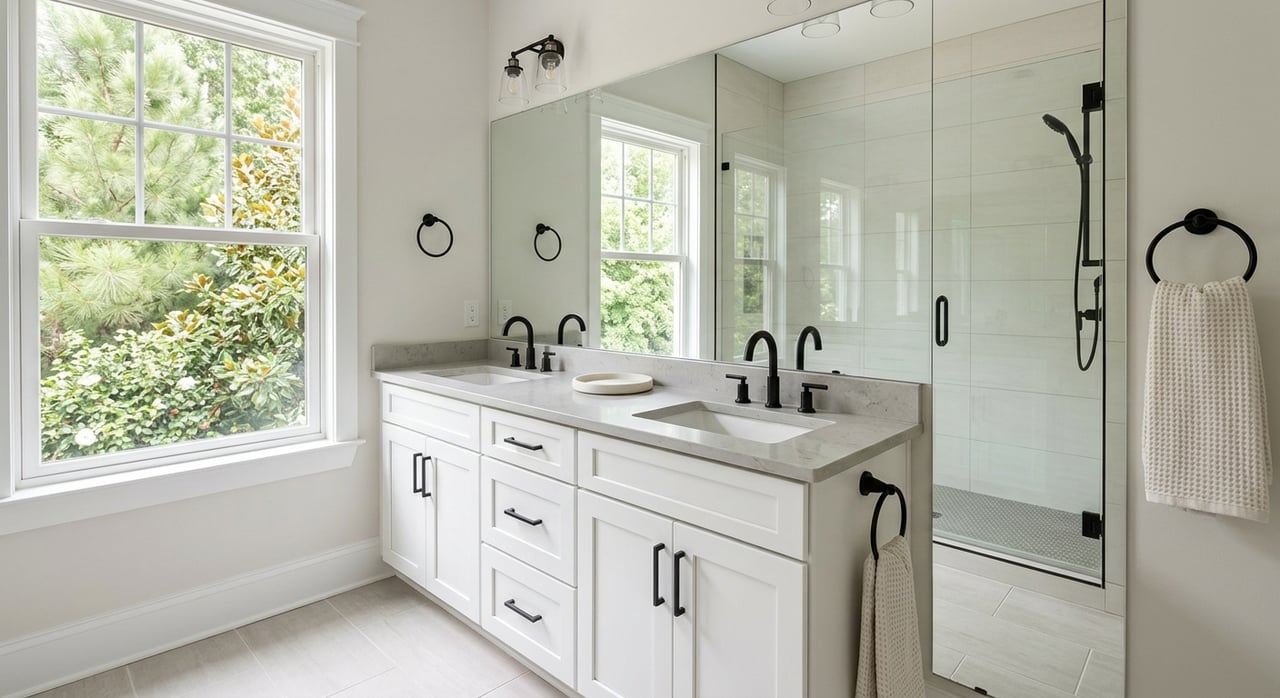
New homes built to modern standards typically deliver tighter envelopes, better insulation, right-sized heat pumps, and more efficient water heating. That can lower monthly bills compared with many older homes that have not been upgraded. Incentives in North Carolina have grown as well. Utility programs in the Carolinas expanded rebates for heat pumps, heat-pump water heaters, attic insulation, and solar. Ask your builder which rebates they will claim for you and whether the home is wired to be solar-ready. For a recent snapshot of expanded programs, see this update on Duke Energy incentives.
Most production and many regional builders provide a workmanship and systems warranty package that reduces near-term maintenance risk. Coverage varies by builder, so review what is included and what is not. Clarify site features that may be excluded from warranty coverage, such as landscaping, drainage, or private well and septic components.
Questions to ask a builder
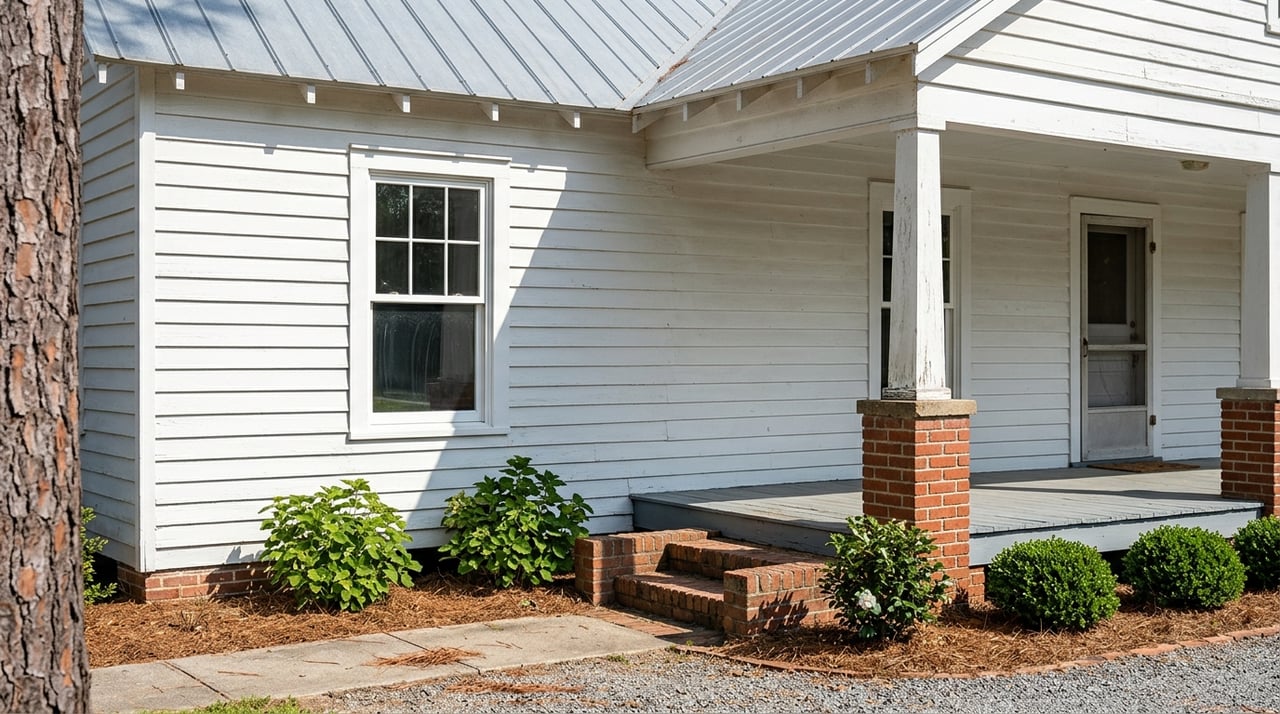
Older farmhouses can be charming and solid, but time adds complexity. Expect to evaluate foundations and crawlspaces for moisture, drainage, rot, and termite history. Mechanical systems may be at or near the end of their useful life, and older electrical panels or wiring may need replacement to meet modern safety standards. If the home was built before 1978, follow lead-based paint disclosure and mitigation requirements.
Many rural parcels use private wells and on-site septic. Before you close, confirm the septic permit details and capacity, and order a septic inspection to assess current function. For water, review the well log if available and run water-quality testing through recommended state protocols. The NC Department of Environmental Quality provides guidance on private wells: Private well information.
Use these planning ranges while you gather quotes for a specific property:
If you plan to expand or renovate, factor in Harnett County permitting timelines and environmental health approvals for septic modifications. The permitting authority will require soils evaluations, setbacks, and compliance with the county’s development standards. Harnett County’s Unified Development Ordinance is a helpful reference: Harnett County UDO.
Red flags on a farmhouse inspection
Your total annual tax bill depends on the county rate plus any municipal and fire-district components. Pull the parcel’s tax bill to compute the full rate. Harnett’s posted rates are here: 2025 tax rates. Confirm whether the parcel lies in any special districts or extraterritorial jurisdictions and ask about recorded easements that affect build area or access.
Buying acreage for agricultural or timber use can qualify for Present Use Value (PUV) in Harnett County. PUV can reduce taxes while the land remains in qualifying use, but changes in use can trigger rollback taxes. Start with the county’s guidance and speak directly with the tax office: Harnett County PUV information.
Custom building on raw land often adds off-site costs that subdivision buyers do not see. Budget for driveway construction, grading and drainage, and running electric or fiber to the home if service is not at the road. Where public water or sewer is available, connection fees and the private lateral can run several thousand dollars. For septic-served homes, permit, design, and installation time is significant. Use the septic cost ranges above as a planning anchor.
Use this list to compare a specific new build and a specific farmhouse side by side. Attach written quotes where possible.
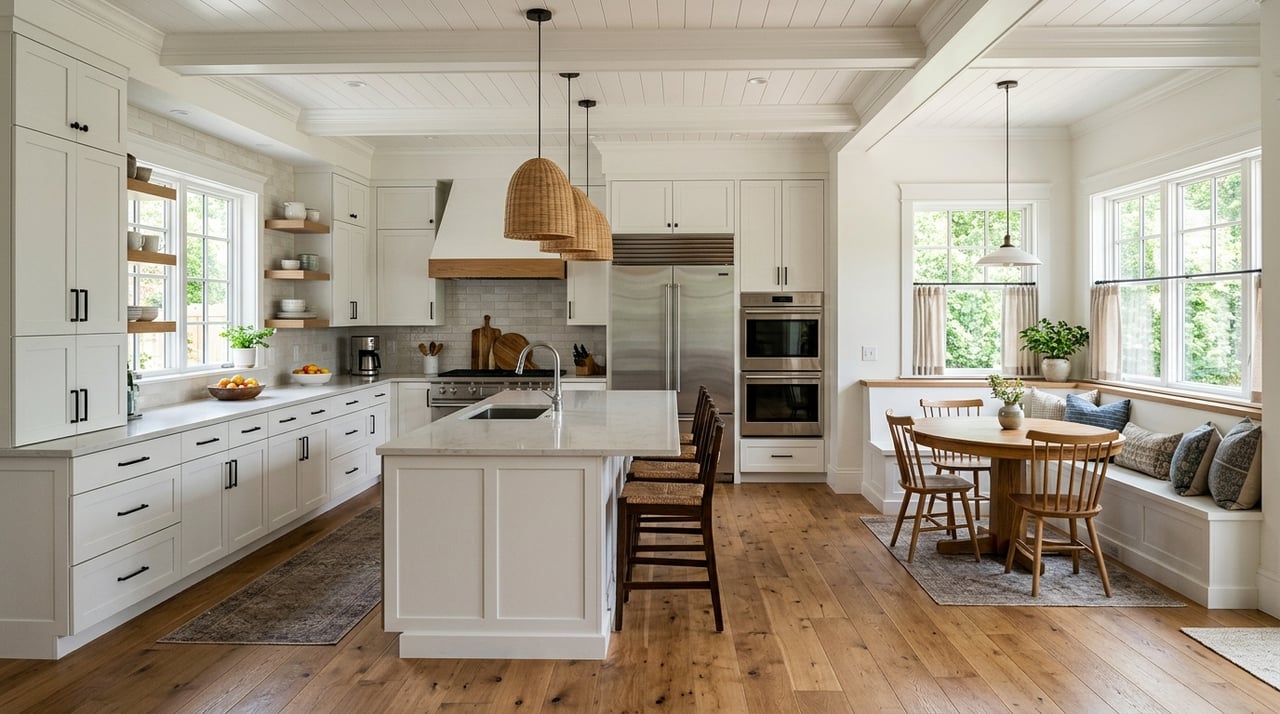
Choose a new build if you want predictable systems, lower near-term maintenance, modern efficiency, and a shorter punch-list. This route can also make sense if you want to leverage current rebates for heat pumps or solar-ready wiring.
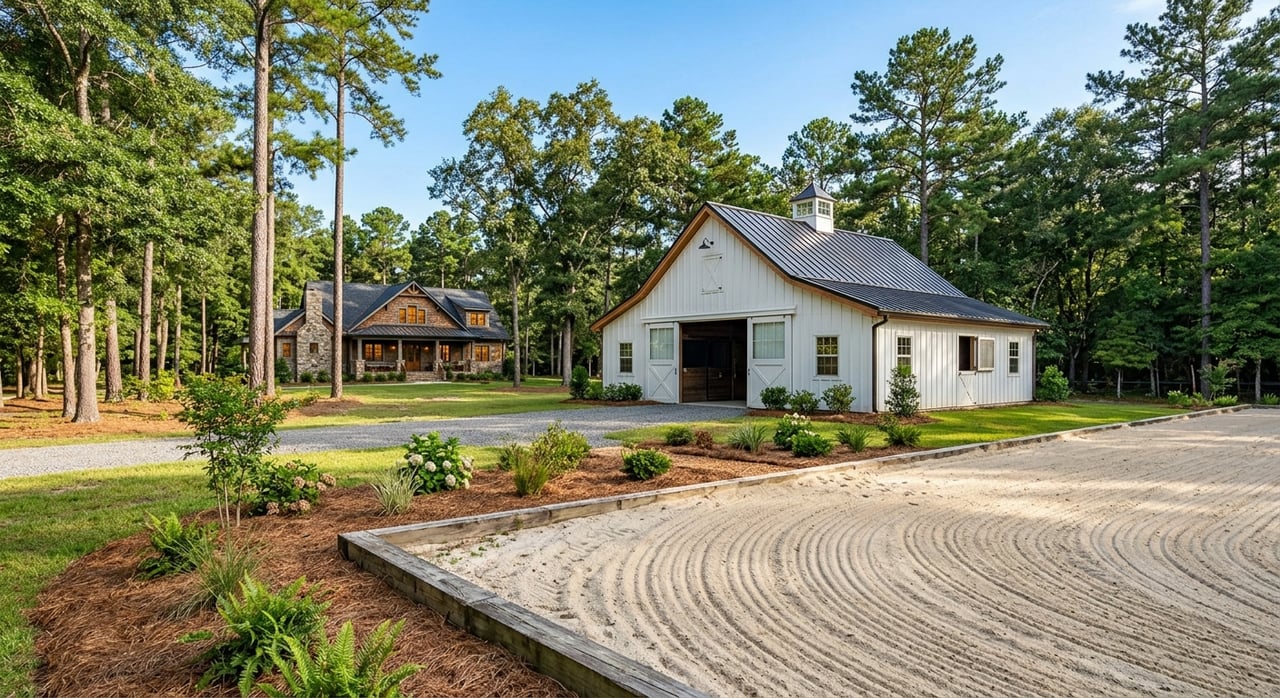
Choose a farmhouse on acreage if you value privacy, flexibility for outbuildings, gardens, or small-scale agricultural use, and the character that older homes offer. Budget time and funds for inspections, well and septic verification, and thoughtful updates that improve comfort and efficiency.
If you are weighing both, put real numbers to the shortlist. Price the builder’s upgrades you care about, request the seller’s utility bills for the farmhouse, pull tax details, and get septic and well quotes before you decide.
You deserve a plan that blends lifestyle and long-term value. With deep Sandhills roots, acreage expertise, and construction-informed advice, we help you compare new builds and farmhouses with clarity, line by line. When you are ready to walk land, price upgrades, or map out inspections, reach out to Brittany Paschal. Get exclusive access to private listings and a boutique, hands-on process from search to close.
Stay up to date on the latest real estate trends.
I strive for lasting relationships with my previous customers even after the sale! I want to be your go-to agent for you and your friends and family for years to come.

BRITTANY PASCHAL
ADDRESS 250 N BENNETT ST SOUTHERN PINES NC 28387