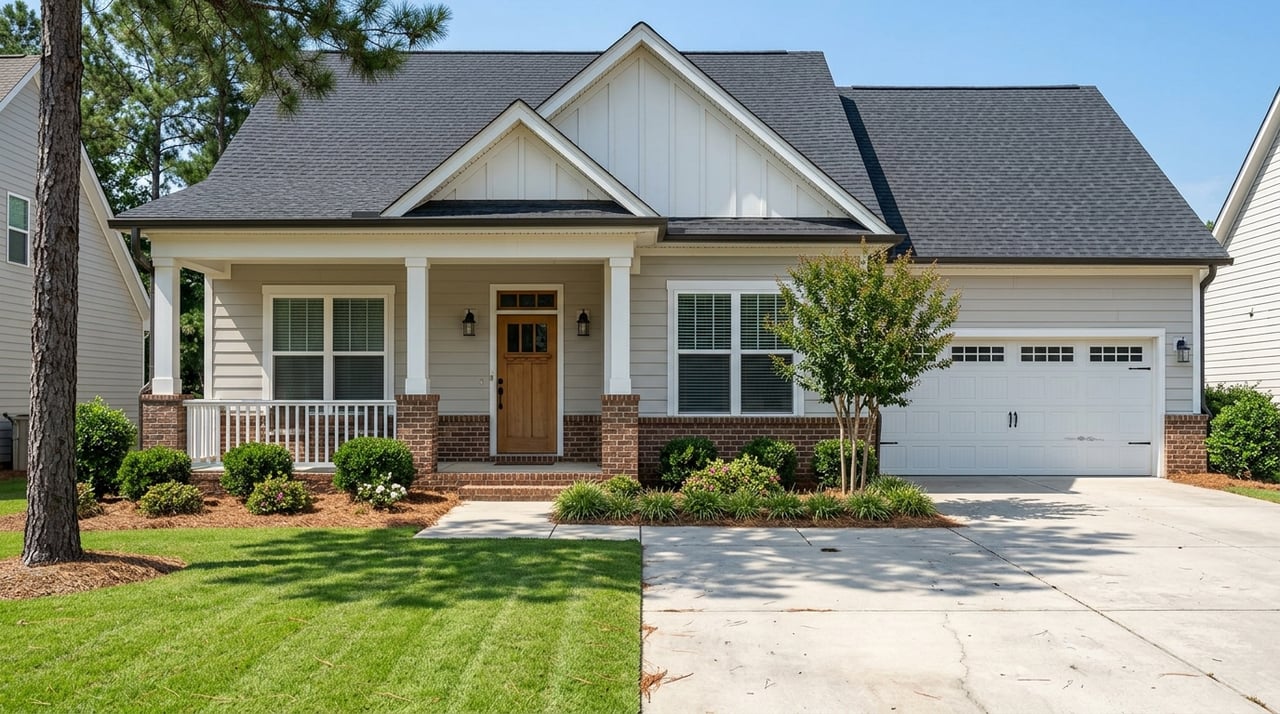
Your Southern Pines Home Selling Timeline, Step By Step
May 7, 2026
May 7, 2026
Selling your home in Southern Pines can feel like one big question mark. How long will it take, what happens first, and where do delays usually show up? If you want a clear picture before you list, this step-by-step guide will walk you through the typical selling timeline in Southern Pines, what matters most in North Carolina, and how to plan ahead with fewer surprises. Let’s dive in.
If you are hoping your home will sell overnight, it helps to reset expectations early. In Southern Pines, recent market data shows homes can go pending in about 75 days on average, while some hotter listings move in closer to 32 days. At the same time, broader local figures have shown median time on market closer to 100 days in Southern Pines and about 85 days across Moore County.
That means most sellers should think in terms of weeks to months, not days. A practical estimate from your first planning conversation to closing is often around 2.5 to 4 months, with faster timelines possible for well-priced, well-prepared homes. Larger properties, acreage, equestrian homes, HOA properties, and homes with more complex title or disclosure issues may take longer.
Before your home ever hits the market, there is real work to do. In North Carolina, this phase is not just about cleaning up and taking photos. It is also about gathering disclosures, confirming property details, and getting ahead of anything that could slow down an offer.
For many sellers, this is the phase that sets the pace for everything that follows. If you prepare thoroughly here, you are more likely to avoid delays once buyers start showing interest.
North Carolina law requires sellers of most covered residential properties to provide required disclosure statements no later than the time a buyer makes an offer. If those disclosures are not delivered by then, the buyer may have a 3-calendar-day cancellation window after receipt or contract formation, whichever comes first.
The required disclosures can cover items such as:
If your property is subject to an HOA or mandatory covenants, there is also a separate association disclosure. That may include dues, services, lawsuits, and transfer fees.
If you later discover a material inaccuracy in your disclosures, North Carolina law requires prompt correction. That is one more reason to start this paperwork early rather than waiting until a buyer is already at the table.
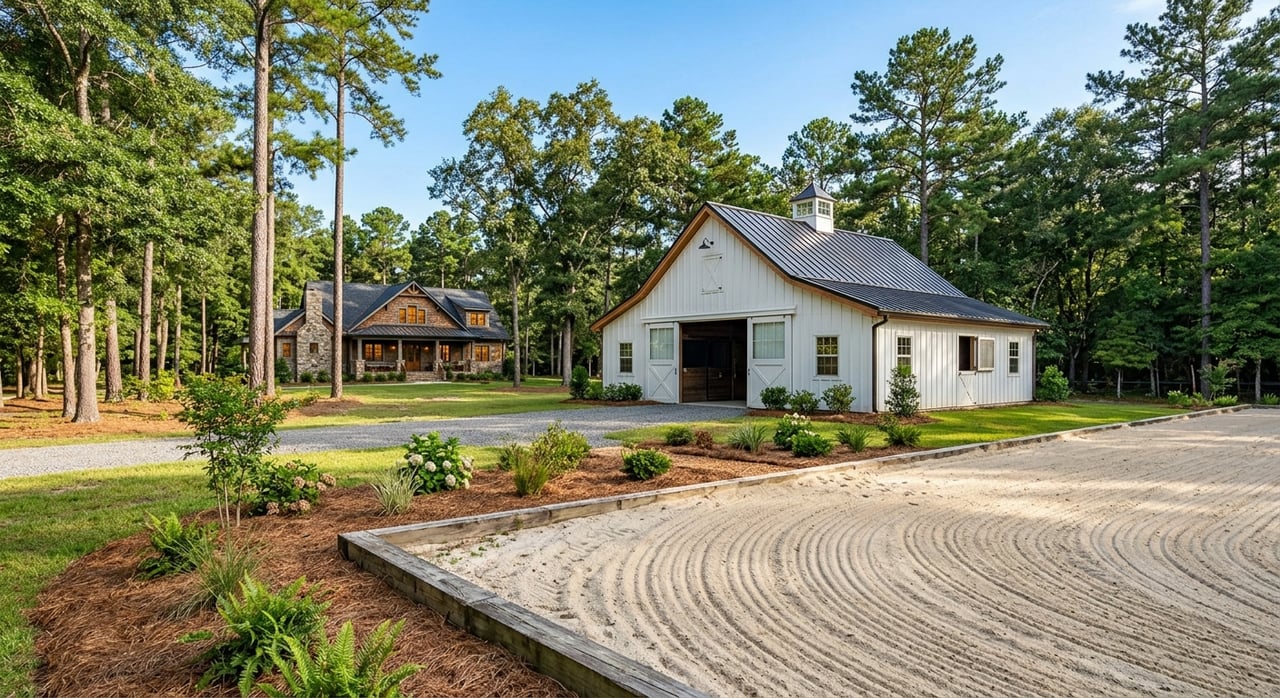
This matters even more for homes with acreage, equestrian features, or special site considerations. Those properties often involve more details related to zoning, surveys, covenants, or land use, so early preparation can save time later.
In Moore County, documents must be prepared, executed, and notarized before recording. The county also requires North Carolina deeds to show the draftsman’s name on the first page and the grantee’s mailing address for tax purposes.
That is why early attorney coordination can be helpful, especially if your ownership situation is more complex. If there are title questions, deed preparation needs, or special property details to address, it is better to spot them before you are under contract.
Once the paperwork is underway, the next step is preparing your home for the market. This is where presentation starts to shape your timeline.
In Southern Pines, pricing, condition, and property type all play a major role in how quickly a home gets attention. A polished launch can help you make the most of the first wave of interest.
Some Southern Pines homes move quickly, while others sit much longer. Recent local data shows that market response can vary widely, which means the early strategy matters.
Your pricing and presentation should work together. A home that shows well and enters the market at a realistic price is better positioned to attract stronger early activity.
This is often the time to:
For sellers with higher-end homes, farm properties, or equestrian properties, this phase may also include extra prep tied to land use, outbuildings, fencing, access, or surveys. Those details can affect buyer questions and due diligence later.
Once your home goes live, you move into the most visible part of the timeline. Buyers tour the property, ask questions, and compare your home to others on the market.
This period can be short or stretch out depending on demand, price point, and condition. In Southern Pines, some homes may go pending in about a month, but many still take several weeks or longer.
The launch period usually brings the strongest burst of attention. That is when buyers who have been waiting for the right home may schedule showings quickly.
If a listing does not gain traction early, sellers sometimes need to reassess pricing, condition, or how the home is positioned in the market. This is one reason a thoughtful plan upfront can save time later.
An offer feels exciting, but in North Carolina, it is important to know when a deal actually becomes binding. A verbal agreement is not enough.
According to North Carolina Real Estate Commission guidance, an offer becomes a contract only when it is in writing, signed by all parties, and the signed acceptance is communicated to the other side. That is the point when the transaction timeline truly shifts into the next stage.
Once a written contract is fully signed and communicated, the due diligence and closing clocks begin. This is also when negotiated terms like timing, deposits, and due diligence details start to matter in a practical way.
The due diligence fee under the standard North Carolina contract is negotiated and not mandatory. If it is part of the deal, North Carolina guidance says it is due immediately on the contract’s effective date.
For many sellers, due diligence is the busiest and most uncertain part of the process. This is the buyer’s investigation window, and a lot can happen here.
Under the commonly used North Carolina Offer to Purchase and Contract, the buyer may inspect the property, review covenants, obtain an appraisal and survey, investigate zoning and insurance, and pursue loan approval during this period. Before the due diligence period expires, the buyer may terminate for any reason or no reason by written notice.
This is when most repair conversations, inspection findings, appraisal questions, and financing conditions come into focus. Even after your home goes under contract, the sale is not fully settled until the buyer moves through these checkpoints.
If your property includes acreage, equestrian features, or HOA obligations, this phase may involve even more review. Buyers may look closely at surveys, land use, covenant restrictions, insurance questions, and site-specific details.
During this phase, you may need to:
This is often where steady communication helps keep a sale on track. It is also where strong preparation before listing can reduce friction.
Once due diligence ends without termination, you are in the final stretch. Even so, the last days before closing are often document-heavy.
If the buyer is financing the purchase, the lender must provide the Closing Disclosure at least three business days before closing. That timing can affect the final schedule, especially if there are last-minute changes.
In North Carolina, most closing functions are legal services that must be handled by a licensed North Carolina attorney. These functions include title review, deed preparation, explaining legal documents, resolving title issues, and determining when funds may be disbursed.
That means closing is not just a simple signing appointment. The legal and recording process is built into the timeline.
North Carolina guidance distinguishes between settlement and closing. Settlement is the signing and delivery stage, while closing includes settlement plus title updates, authorization to disburse funds, and recording of the deed and any deed of trust.
For you as a seller, that means your proceeds are tied to recording, not only to the moment documents are signed. This is an important expectation to keep in mind for moving plans and final scheduling.
In Moore County, recording rules require documents to be properly executed and notarized before recording. The county also outlines excise tax and filing fee requirements that become part of the final closing cost structure.
For deeds in Moore County, the excise tax is $2 per $1,000 of the purchase price, or $1 per $500 or fraction thereof. While your attorney will handle the legal side of closing and recording, it helps to know that these final steps are part of the process and can affect when the transaction is fully complete.
No two sales follow the exact same path. Still, a few factors tend to have the biggest impact on your Southern Pines selling timeline.
If you are selling in Southern Pines, the smartest approach is to plan backward from your ideal closing window. Give yourself time for pre-listing paperwork, market prep, showings, negotiations, due diligence, and attorney-led closing steps.
In today’s local market, your timeline is usually better measured in months than in days. When you know what each phase involves, you can make better decisions, avoid avoidable setbacks, and move forward with more confidence.
When you are ready for a tailored selling plan in Southern Pines, Brittany Paschal offers local guidance, hands-on preparation, and thoughtful support from listing strategy through closing.
Stay up to date on the latest real estate trends.


I strive for lasting relationships with my previous customers even after the sale! I want to be your go-to agent for you and your friends and family for years to come.

BRITTANY PASCHAL
ADDRESS 250 N BENNETT ST SOUTHERN PINES NC 28387